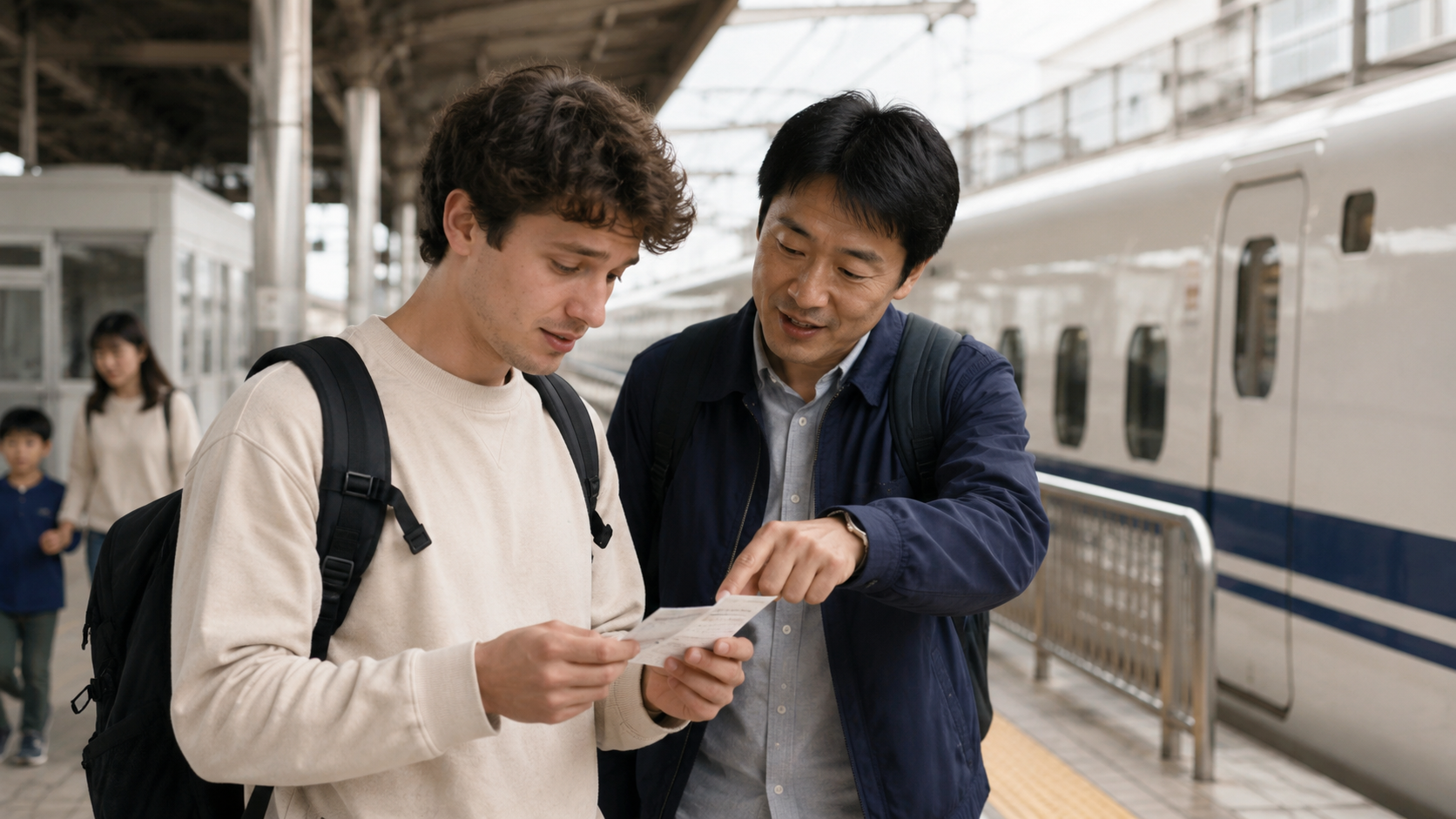
Hello, I’m Hirossy.
For many foreign visitors to Japan, the Shinkansen is a very useful train.
But if it is your first time, you may feel a little nervous.
“How do I buy a ticket?”
“How do I go through the ticket gate?”
“What is the difference between non-reserved seats and reserved seats?”
These are very natural questions.
The Shinkansen is fast and comfortable, but Japanese stations can be big. Also, the ticket system may feel a little difficult at first.
As an ordinary Japanese dad, I sometimes use the Shinkansen for business trips or when I go back to my hometown.
I often use a car in daily life, but my family has only one car. My wife usually uses it, so when I travel alone, I sometimes take the Shinkansen.
In this article, I will explain how to ride the Shinkansen in a simple and friendly way for first-time visitors to Japan.
- Conclusion: The Shinkansen Is Not Scary If You Know the Steps
- What Is the Shinkansen?
- Step 1: Choose Your Destination and Time
- Step 2: Buy a Ticket
- Step 3: Choose a Non-Reserved Seat or a Reserved Seat
- Step 4: Go Through the Shinkansen Ticket Gate
- Step 5: Wait on the Platform
- Step 6: Get on the Shinkansen
- Step 7: Put Your Luggage in the Right Place
- Step 8: Many People Stay Quiet on the Train
- Step 9: Can You Eat on the Shinkansen?
- Step 10: Get Off at Your Destination
- Friendly Advice for Foreign Visitors
- Summary: The Shinkansen Can Make Your Japan Trip Easier
Conclusion: The Shinkansen Is Not Scary If You Know the Steps
The basic steps are like this.
- Choose your destination and time
- Buy a ticket
- Go through the Shinkansen ticket gate
- Wait on the platform
- Sit in your reserved seat, or find a seat in a non-reserved car
- Get off at your destination
At first, it may look a little difficult.
But if you look at each step one by one, it is not so scary.
Many stations in Japan now have English signs. At big stations, many station staff are used to helping foreign travelers.
If you feel worried, you do not need to solve everything by yourself. It is okay to ask station staff for help.
What Is the Shinkansen?
The Shinkansen is Japan’s high-speed train.
In English, it is often called the bullet train.
It is very useful when you travel between big cities in Japan, such as Tokyo, Osaka, Kyoto, Nagoya, Hakata, and Sendai.
For example, many travelers use the Shinkansen when they go from Tokyo to Kyoto or Osaka.
Sometimes it is easier than taking a plane, because you can travel from station to station.
However, the Shinkansen is more expensive than normal trains.
But it is fast, usually very punctual, and often comfortable and quiet.
The Shinkansen has different tickets and gates from most local trains. If you also want to learn the basic steps for riding regular trains in Japan, read this guide:
👉 How to Ride Trains in Japan: A Simple Guide from a Japanese Dad
Step 1: Choose Your Destination and Time
Before riding the Shinkansen, first decide where you want to go and when you want to leave.
For example:
- Tokyo to Kyoto
- Tokyo to Osaka
- Shin-Osaka to Hiroshima
- Tokyo to Sendai
You need to check your departure station and arrival station.
One small point is station names.
If you go to Osaka by Shinkansen, the main Shinkansen station is usually Shin-Osaka Station.
Osaka Station and Shin-Osaka Station are different stations.
For Kyoto, the station is Kyoto Station.
For Nagoya, it is Nagoya Station.
But Osaka can be a little confusing.
If it is your first time, I recommend checking the station name with Google Maps or another map app.
Step 2: Buy a Ticket
To ride the Shinkansen, you usually need a basic train ticket and a Shinkansen limited express ticket.
This may sound difficult, but if you buy your ticket at a ticket machine or ticket office, you can usually follow the instructions on the screen.
There are several ways to buy Shinkansen tickets.
- Buy at a ticket machine in the station
- Buy at a ticket office in the station
- Book online
- Buy through a travel agency or travel website
If it is your first time and you feel worried, the ticket office may be easier.
You can tell the staff your destination, date, and time. Then they can help you.
If you are worried about speaking Japanese, you can show a simple message on your phone.
I want to go from Tokyo to Kyoto by Shinkansen.
I would like a reserved seat, please.
Even if you do not speak Japanese, it is often okay if you can show your destination and time.
Step 3: Choose a Non-Reserved Seat or a Reserved Seat
On many Shinkansen trains, there are two main seat types: non-reserved seats and reserved seats.
A non-reserved seat means you can sit in any open seat in the non-reserved cars.
A reserved seat means your seat is already decided. Your ticket shows your car number and seat number.
Non-reserved seats are often a little cheaper.
But if the train is crowded, you may not be able to sit.
Also, some Shinkansen trains have only reserved seats. So it is a good idea to check when you buy your ticket.
I once bought a non-reserved seat ticket to save money.
But when I got on the train, all the seats were full. I could not sit.
The Shinkansen is comfortable, but standing for a long time is still tiring.
Because of that experience, I think a reserved seat is better for first-time foreign visitors if possible.
It is especially useful when:
- You have big luggage
- You are traveling with children
- You travel a long distance
- You travel during busy seasons, such as Golden Week, Obon, or New Year holidays
Of course, non-reserved seats are not bad.
If the distance is short or the train is not crowded, non-reserved seats can be okay.
But for your first time, it is nice to know that you already have a seat.
Step 4: Go Through the Shinkansen Ticket Gate
After buying your ticket, go to the Shinkansen ticket gate.
At big stations, normal train gates and Shinkansen gates may be separate.
Look for signs that say Shinkansen.
You may also see names such as Tokaido Shinkansen, Tohoku Shinkansen, or Joetsu Shinkansen, depending on the station and the area.
In English, the Shinkansen is often called the bullet train, but in Japanese stations, the word Shinkansen is very common.
At very big stations like Tokyo Station, even Japanese people can get lost.
I also check the signs many times when I walk through a big station.
If you use paper tickets, put the ticket into the ticket gate machine.
The ticket will come out on the other side, so please remember to take it.
In Japan, the ticket often comes back after you put it into the gate.
If you forget to take it, you may have trouble later.
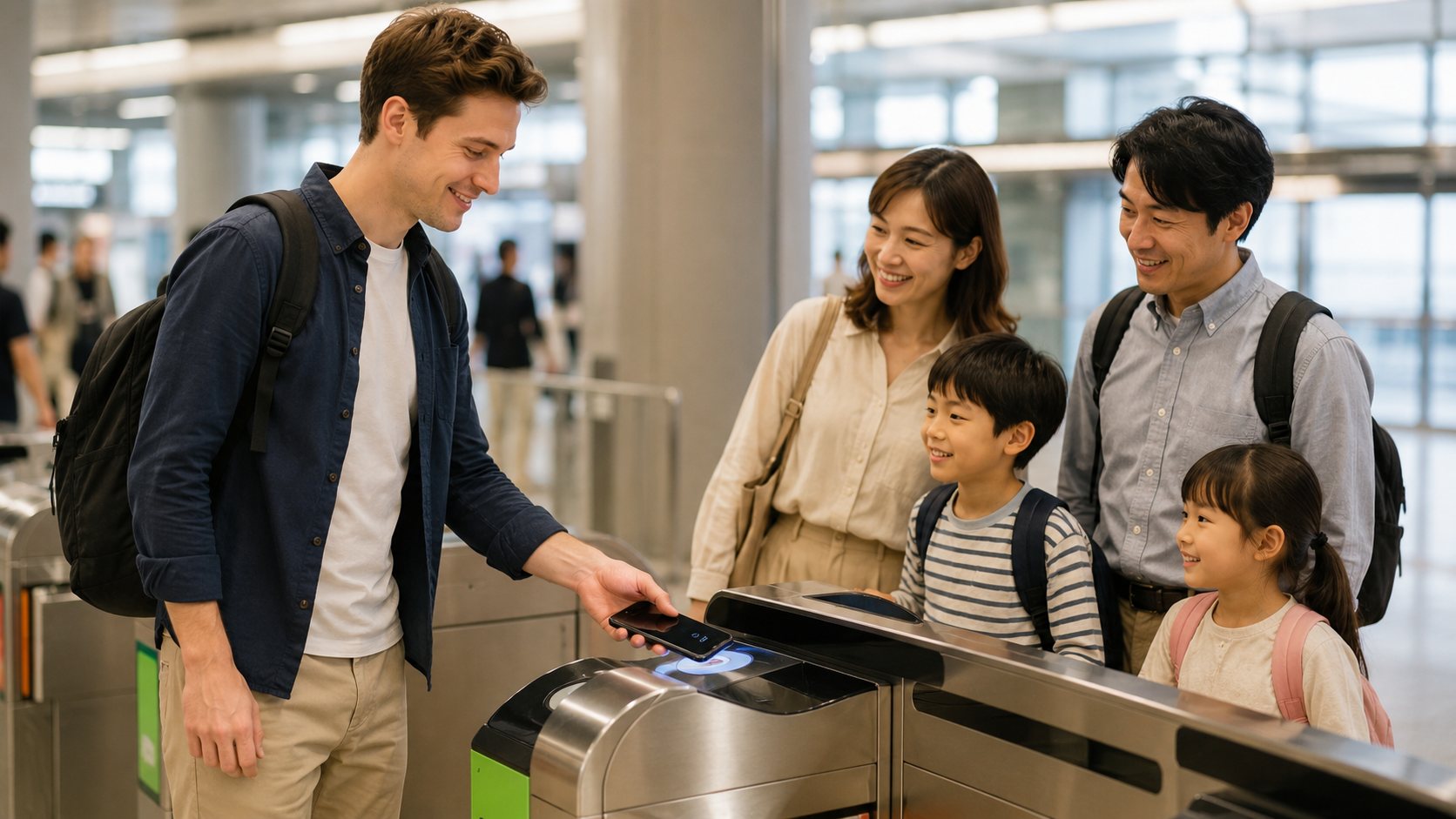
If you use an online ticket, IC card, or QR ticket, the way to enter may be different depending on the service.
If you are not sure, show your ticket or phone screen to station staff near the gate.
Step 5: Wait on the Platform
After you go through the gate, go to the platform.
Your ticket shows important information, such as the train name, departure time, car number, and seat number.
For example:
- Train: Nozomi 25
- Car: 7
- Seat: 12A
- Departure: 10:30
If you have a reserved seat, wait near your car number.
On Shinkansen platforms, you can usually see car numbers on the floor, signs, or platform doors.
You may see signs like “Car 7” or “Car 8.”
People often line up on the platform, but the style can be a little different depending on the station and how crowded it is.
The Shinkansen often leaves on time, so it is better to arrive at the platform a little early.
Step 6: Get on the Shinkansen
When the train arrives, please let people get off first.
After that, you can get on.
This is a common train manner in Japan.
After you enter the train, find your seat if you have a reserved seat.
Seat numbers are usually written above the seats or near the seats.
If you have a non-reserved seat ticket, go to the non-reserved cars and look for an open seat.
But the non-reserved cars can be different depending on the train.
Please check the signs on the platform or the electronic board.
Step 7: Put Your Luggage in the Right Place
Small bags can be placed at your feet or on the luggage rack above the seats.
But if you have a large suitcase, you should be careful.
On some Shinkansen lines, very large luggage may need a special reservation.
This is especially important for travelers coming from overseas, because they often have big suitcases.
If your luggage is big, it is a good idea to check the luggage rules before your trip.
When luggage is too large, it can be hard for you and for other passengers.
The Shinkansen is convenient, but the space inside the train is not unlimited.
If possible, traveling with smaller luggage makes your trip easier.
Step 8: Many People Stay Quiet on the Train
On the Shinkansen, many people spend time quietly.
Of course, you do not need to be completely silent.
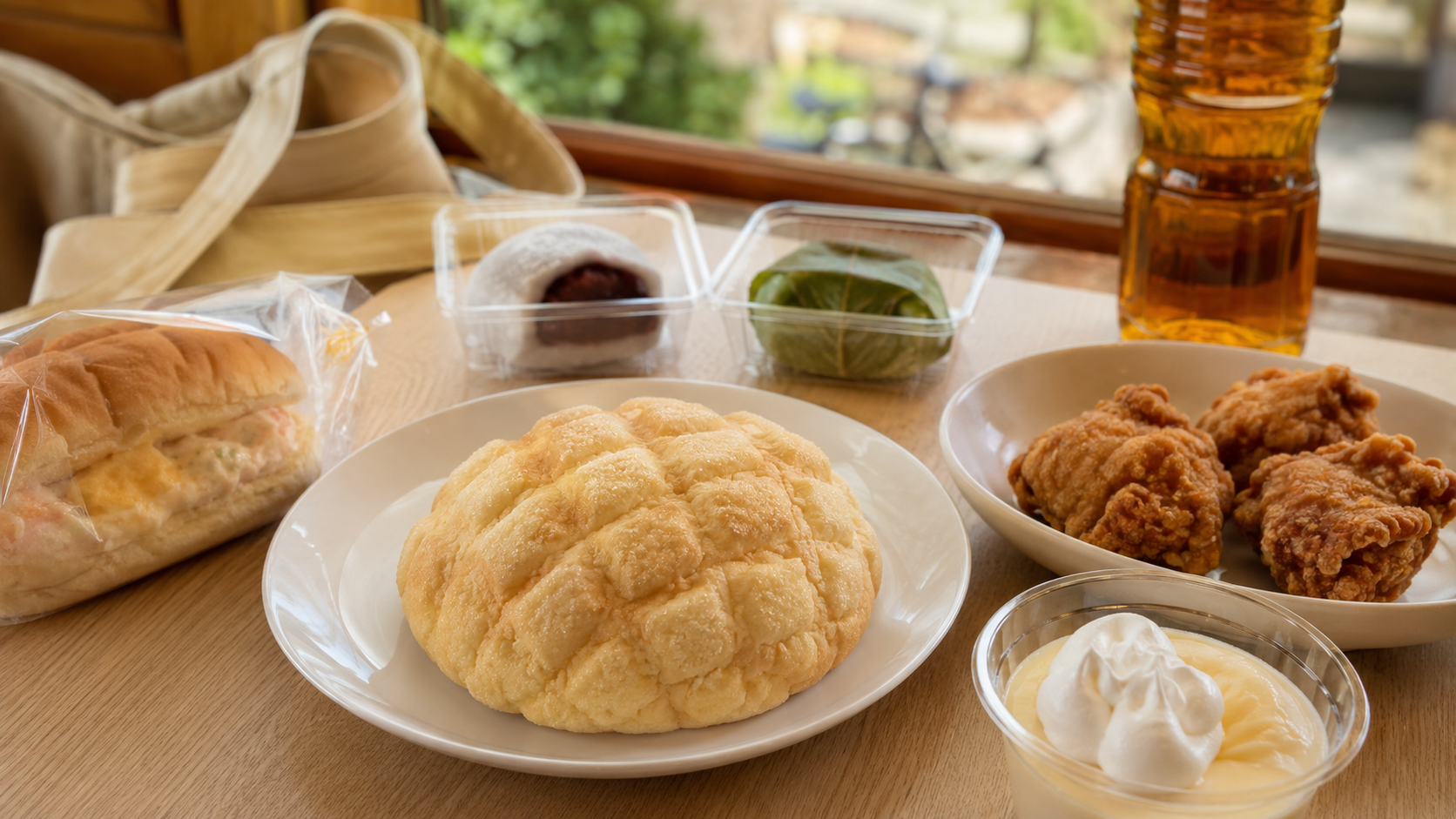
Some people talk quietly with family or friends. Some people eat ekiben, which is a Japanese train station lunch box.
But not many people speak loudly for a long time or talk on the phone at their seat.
If people need to make a phone call, many of them go to the deck area between cars.
In Japan, trains are often seen as shared spaces.
Some people want to sleep. Some people want to work. Some people just want to relax quietly.
So many passengers try to be a little careful about noise.
Step 9: Can You Eat on the Shinkansen?
Yes, many people eat light food or ekiben on the Shinkansen.
Ekiben means a lunch box sold at train stations.
For many people, eating ekiben is one of the fun parts of riding the Shinkansen.
But it is better to be careful with food that has a very strong smell.
Also, after you finish eating, please throw away your trash in a trash bin at the station or on the train, or take it with you.
In Japan, many people try to keep public places clean.
You do not need to do anything special.
But if you clean your seat area before you get off, it is very natural and polite.
Step 10: Get Off at Your Destination
When your destination is near, start preparing your luggage.
At some stations, the train stops only for a short time.
If you wait until the last moment, you may feel rushed.
If you have big luggage, move carefully so you do not hit other people.
When you get off, you do not need to hurry too much.
Just stay calm and follow the signs.
After you arrive at the station, look for exit signs or transfer signs.
Big stations can have many exits.
It is helpful to check which exit is near your hotel or sightseeing spot before you arrive.
Friendly Advice for Foreign Visitors
Here are five simple tips from me.
1. For Your First Time, a Reserved Seat Is Safer
Non-reserved seats can be cheaper, but you may not be able to sit.
I once had to stand because the non-reserved seats were full.
If you are tired from traveling, standing for a long time can be hard.
If you want to travel with peace of mind, I think a reserved seat is a good choice.
2. Arrive Early at Big Stations
Tokyo Station, Shin-Osaka Station, and Nagoya Station are very big.
Even Japanese people can get lost.
It is better to arrive early instead of rushing just before departure.
3. Keep Your Ticket Easy to Take Out
If you use paper tickets, you may need them at the gate or sometimes on the train.
If you put them deep inside your bag, you may panic a little.
It is better to keep them in an easy place.
4. Check the Rules for Large Luggage
If you have a big suitcase, check the luggage rules before riding.
Travelers from overseas often have large luggage.
On some Shinkansen lines, you may need a special seat reservation for very large luggage.
Checking early can make your trip much smoother.
5. Ask Station Staff If You Are Not Sure
It is not embarrassing to ask station staff.
Japanese people also get lost in big stations.
You can show your ticket or phone screen and ask:
Where is the Shinkansen gate?
In many cases, they will help you.
Summary: The Shinkansen Can Make Your Japan Trip Easier
The Shinkansen may look a little difficult at first.
But the basic steps are simple.
Choose your destination, buy a ticket, go through the gate, wait on the platform, and sit in your seat.
If you know this flow, you will feel much better.
I often use a car in daily life, but when I travel alone, go on a business trip, or visit my hometown, the Shinkansen is very useful.
I once bought a non-reserved seat to save money and could not sit.
But that experience helped me learn how to choose better next time.
If you visit Japan, I hope you do not feel too worried about riding the Shinkansen.
It is a useful and comfortable way to travel.
You can enjoy the view from the window, eat ekiben, or rest quietly in your seat.
The time you spend on the Shinkansen can also become a nice memory of your trip to Japan.
Comments