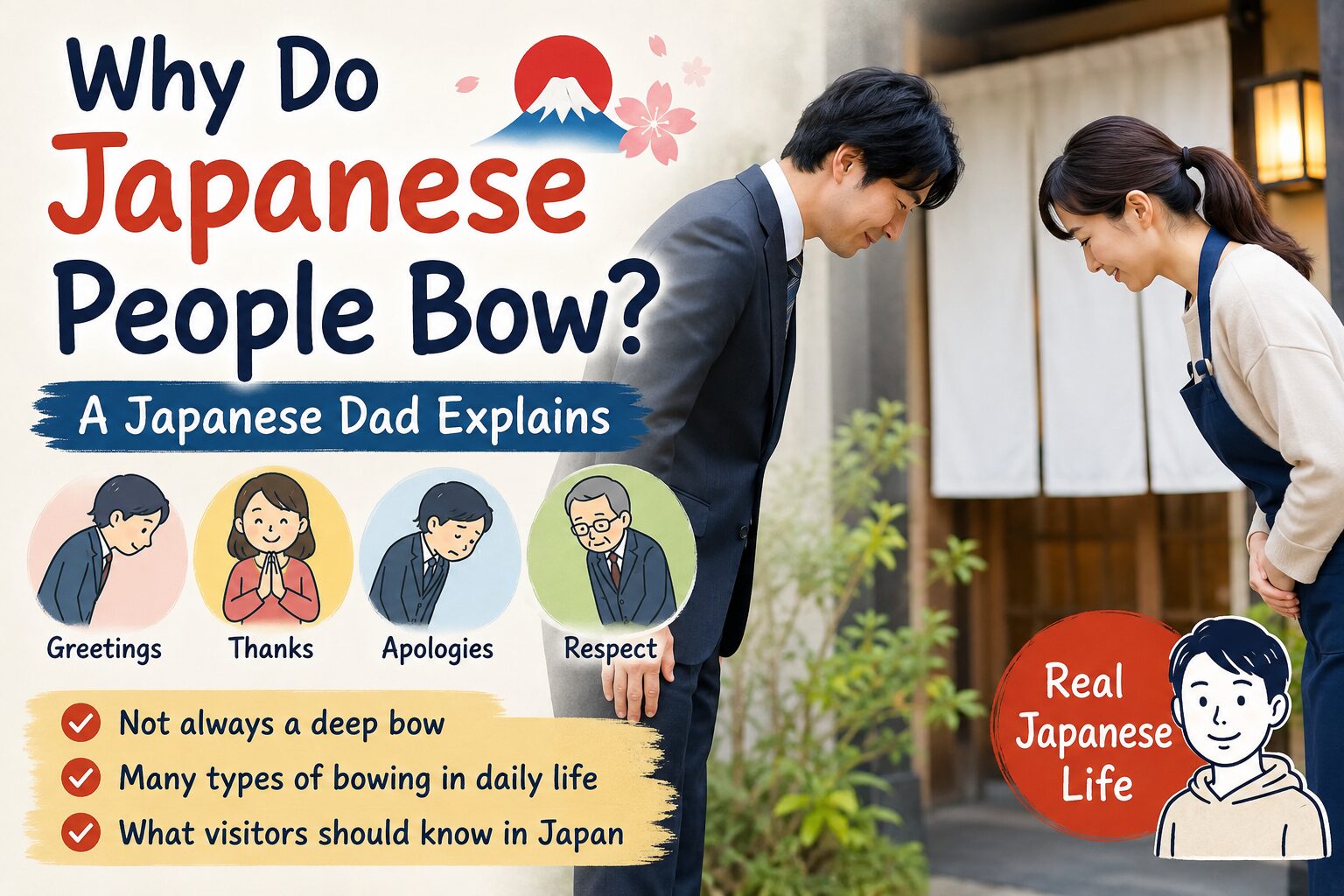
Hello, I’m Hirossy.
One thing that many people from other countries wonder about Japanese culture is this:
“Why do Japanese people bow?”
You may have seen people bowing in Japanese movies, anime, or during a trip to Japan.
Shop staff bow to customers. Office workers bow to each other. People also bow when they apologize.
As an ordinary Japanese dad, bowing is such a familiar part of daily life that I hardly think about it.
However, one thing many visitors misunderstand is this:
Japanese people do not always bow deeply.
In fact, the most common bow in everyday life is simply a small nod or a slight movement of the upper body.
In this article, I’ll explain why Japanese people bow, why they sometimes seem to bow so often, and what visitors should know before traveling to Japan.
- Why Japanese People Bow: The Simple Answer
- Bowing Is Not Only for Apologies
- Why Do Japanese People Bow When Apologizing?
- Why Do Japanese People Bow So Much?
- Different Types of Bowing in Japan
- Bowing in Everyday Life
- Why Some Japanese People Bow While Talking on the Phone
- Where Travelers Will See Bowing
- Do Foreign Visitors Need to Bow in Japan?
- Frequently Asked Questions
- Summary
- Learn More About Japanese Culture
Why Japanese People Bow: The Simple Answer
The simple answer is this:
Japanese people bow to show respect, gratitude, greetings, apologies, and consideration for others.
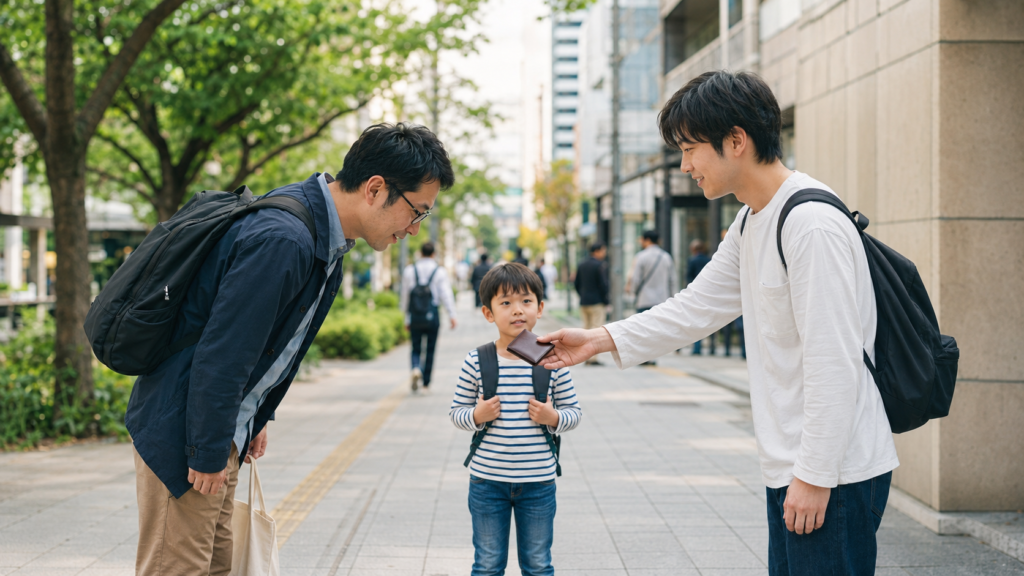
Many people outside Japan think bowing is only used to say, “I’m sorry.”
That isn’t true.
A bow can mean many different things depending on the situation.
| Meaning | Example |
|---|---|
| Greeting | “Good morning.” |
| Gratitude | “Thank you.” |
| Apology | “I’m sorry.” |
| Respect | Greeting a customer, teacher, or older person |
| Courtesy | “Excuse me.” or letting someone pass |
Japanese people often express these feelings with both words and body language.
Of course, not everyone bows in exactly the same way.
It depends on the situation, the relationship, and the person’s personality.
For most of us, bowing isn’t a rule we consciously follow.
It’s simply a natural part of everyday communication.
Bowing Is Not Only for Apologies
One of the biggest misunderstandings about Japan is that people bow only when apologizing.
In reality, apologizing is just one reason people bow.
A small bow is also commonly used when:
- greeting someone
- thanking someone
- showing appreciation
- meeting someone for the first time
- saying goodbye
- showing respect
Because visitors often see dramatic scenes in movies or on the news, they may think every bow is a serious apology.
But that’s very different from everyday life.
Most bows are simply polite ways of communicating.
Why Do Japanese People Bow When Apologizing?
Yes, Japanese people often bow when apologizing.
However, not every apology requires a deep bow.
If I accidentally bump into someone on a train, I usually say “Sumimasen” while lowering my head slightly.
Depending on the situation, “Sumimasen” can mean “I’m sorry” or “Excuse me.”
That small gesture is usually enough.
A deep bow is generally reserved for more serious situations, such as:
- making a serious mistake at work
- apologizing to customers
- expressing sincere regret
Generally speaking, the deeper the bow, the greater the apology or respect.
This is why television dramas and news reports often show deep bows.
They are memorable, but they don’t represent everyday life.
Why Do Japanese People Bow So Much?
Some visitors say,
“It feels like Japanese people are always bowing.”
As a Japanese person, it doesn’t feel that way to me.
The reason is simple.
Many of the bows you notice are actually very small.
People naturally lower their heads when they:
- greet a coworker
- thank someone
- say “Excuse me.”
- leave work
- pass someone they know
These movements are so small that most Japanese people don’t even think about them.
Over time, they simply become part of daily life.
Different Types of Bowing in Japan
Not every bow has the same meaning.
The depth usually depends on the situation.
Light Bow
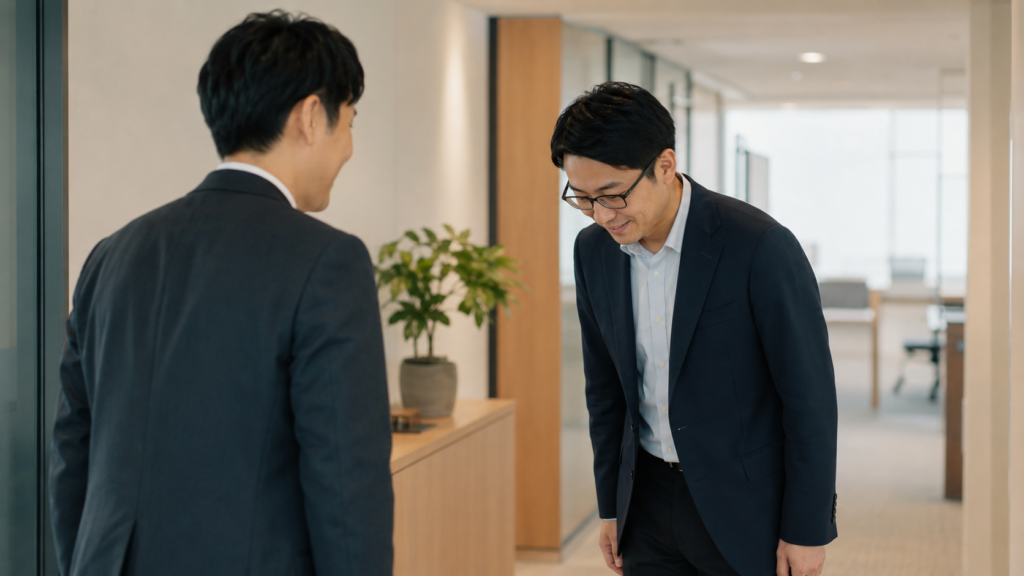
This is the type of bow I use most often.
It is usually just a small nod or a slight movement of the upper body.
People commonly use it when:
- greeting coworkers
- thanking someone
- saying “Excuse me”
- passing neighbors or acquaintances
If you visit Japan, this is probably the bow you’ll see the most.
Polite Bow
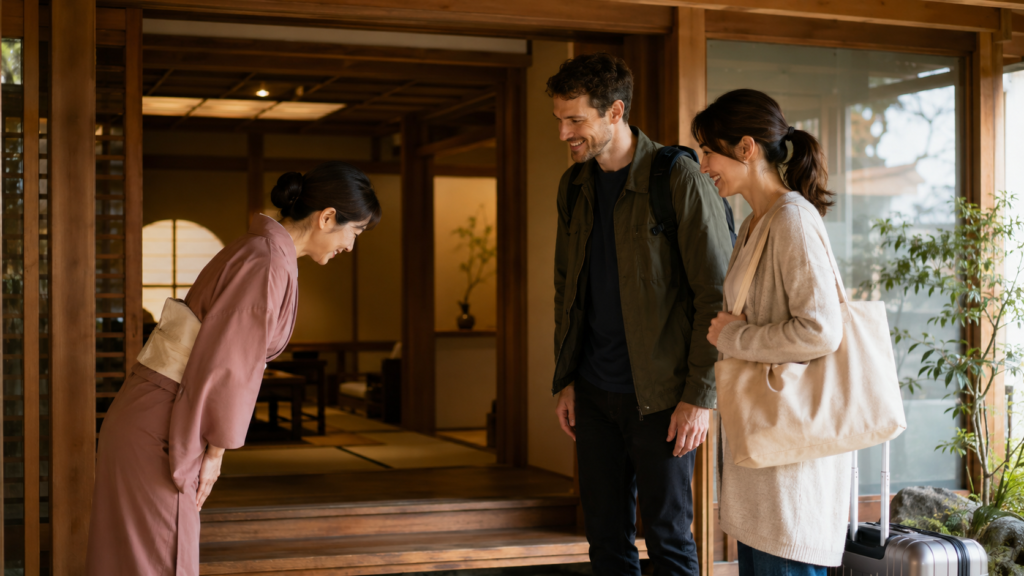
A polite bow is more formal.
You may see it in:
- shops
- restaurants
- hotels
- schools
- business meetings
It is commonly used to show courtesy and professionalism.
Deep Bow
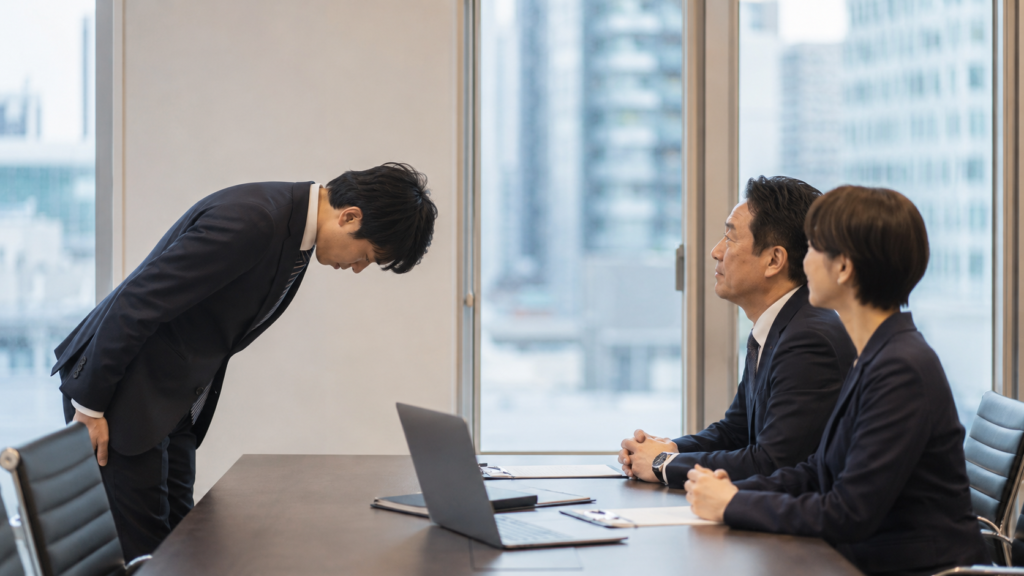
A deep bow is reserved for situations that require extra respect or sincerity.
For example:
- serious apologies
- important ceremonies
- expressing deep respect
Although some etiquette guides explain exact bow angles, ordinary Japanese people rarely think about degrees in everyday life.
You don’t need to memorize exact bowing angles. The important thing is simply understanding that deeper bows usually show greater respect or a more sincere apology.
Bowing in Everyday Life
People sometimes imagine that Japanese people bow formally all day.
Actually, everyday life is much more relaxed.
I often lower my head slightly:
- when I greet coworkers in the morning
- when I pass someone in the hallway
- when I leave work and say “Otsukaresama deshita.”
“Otsukaresama deshita” is a common workplace phrase used to recognize another person’s effort.
It is often translated as “Thank you for your hard work,” although its exact meaning depends on the situation.
I explain this unique phrase in more detail in my article:
I don’t consciously decide to bow.
It simply happens naturally.
I think many Japanese people would say exactly the same thing.
Why Some Japanese People Bow While Talking on the Phone
This is one of my favorite examples of everyday Japanese culture.
When I was younger, I thought people only bowed on the phone in manga or anime.
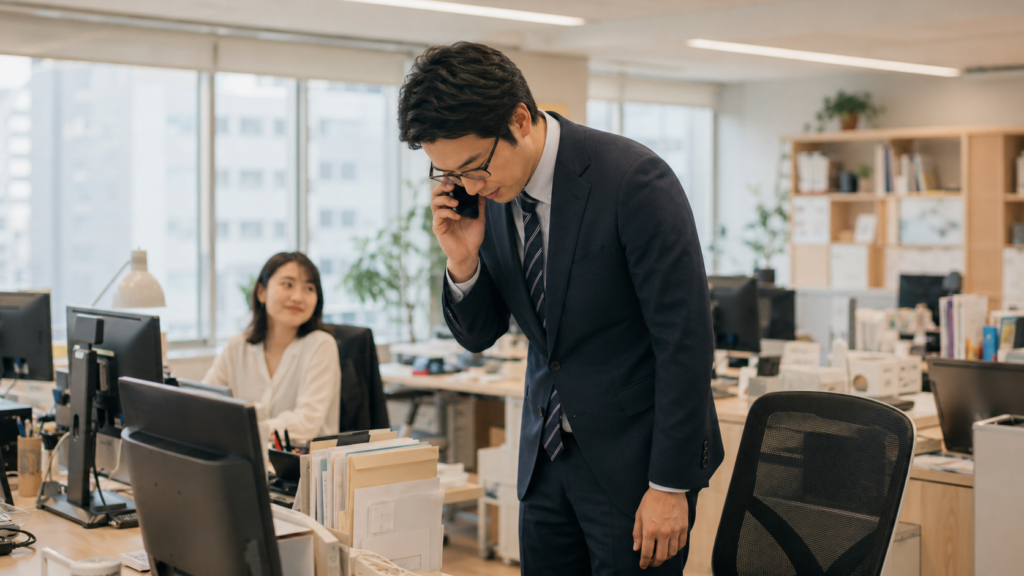
I remember thinking,
“Why are they bowing? The other person can’t even see them.”
But after I started working at a company, I realized something surprising.
Some people really do bow while talking on the phone.
Of course, not everyone does.
But when speaking with customers or business partners, some people naturally lower their heads while saying things like:
- “Thank you.”
- “I’m sorry.”
- “I look forward to working with you.”
The other person can’t see them.
Even so, their body naturally expresses the feeling.
I’ve even caught myself doing this without realizing it.
I think that’s because bowing isn’t just a formal rule in Japan.
For many people, it’s simply a habit that naturally comes out when they want to be polite.
Where Travelers Will See Bowing
If you visit Japan, you’ll probably notice bowing in many everyday situations.
Shops and Restaurants
Store staff often bow while saying “Irasshaimase!”
This means “Welcome.”
The bow is part of their hospitality and shows respect for customers.
You don’t need to bow back in exactly the same way.
A smile or a small bow is perfectly polite.
Hotels and Ryokan
Hotel staff usually greet guests with a polite bow.
At a traditional Japanese inn, called a ryokan, the greeting may feel even more formal.
Even then, visitors are never expected to copy the staff perfectly.
A friendly smile and a light bow are more than enough.
Trains and Stations
You may notice station staff bowing to passengers or train conductors bowing before leaving the platform.
Passengers also sometimes lower their heads after someone lets them pass.
It’s a quiet way of saying,
“Thank you.”
or
“Excuse me.”
without using many words.
Schools and Workplaces
Teachers, students, and office workers often greet each other with a light bow.
This is one of the most common examples of everyday bowing in Japan.
Do Foreign Visitors Need to Bow in Japan?
The short answer is:
No.
Japanese people don’t expect visitors to know every detail of Japanese etiquette.
If someone bows to you, simply smiling or giving a small bow back is already polite.
For example:
- Smile and bow lightly when shop staff greet you.
- Lower your head slightly when someone lets you pass.
- Say “Thank you” with a small bow if someone helps you.
The important thing isn’t making the perfect bow.
The important thing is showing respect for the other person.
Bowing is only one small part of Japanese etiquette.
If you’d like to learn more, you can also read my guide:
→ Japanese Manners for Tourists
Frequently Asked Questions
Is bowing only for apologizing?
No.
Japanese people also bow when greeting others, saying thank you, showing appreciation, or expressing respect.
Apologizing is only one of many reasons people bow.
Why do Japanese people bow instead of shaking hands?
Bowing has long been a familiar way to greet people and show respect in Japan.
Today, handshakes are also common, especially in international situations.
However, bowing still feels more natural to many Japanese people.
Do tourists need to learn the correct bow angle?
Not at all.
Most Japanese people don’t think about exact angles in everyday life.
A smile and a light bow are completely enough.
Do Japanese people expect foreign visitors to bow?
No.
Japanese people understand that visitors come from different cultures.
Simply being polite and respectful is far more important than bowing perfectly.
Summary
Japanese people bow for many reasons.
They bow to greet others, say thank you, apologize, show respect, and express consideration.
However, the deep bows often shown in movies and on television are only one small part of Japanese culture.
In everyday life, most bows are much smaller—often just a slight nod or a gentle movement of the upper body.
I naturally bow when I greet coworkers, thank someone, pass a neighbor, or finish work by saying “Otsukaresama deshita.”
Sometimes, I even catch myself bowing while talking on the phone.
That’s when I realize how naturally this habit has become part of my life.
If someone bows to you during your trip to Japan, don’t worry about doing it perfectly.
A smile and a light bow are already enough to show kindness and respect.
Small cultural differences like these are part of what makes traveling so interesting.
The more you understand them, the more Japan begins to feel familiar.
Learn More About Japanese Culture
If you enjoyed this article, you might also like these guides:
- Japanese Manners for Tourists — A simple guide to everyday etiquette in Japan.
- What Does Otsukaresama Mean? — Learn why Japanese people use this unique workplace phrase every day.
- What Does Itadakimasu Mean? — Discover the meaning behind one of Japan’s most famous expressions before meals.

Comments